
Retaining Wall Installation in the GTA: What It Is, Why It Matters, and How It Protects Your Property Long-Term
Services Offered:
Over the past decade, thousands of properties across the GTA have experienced shifting soil, drainage issues, and unusable sloped yards. In many cases, the problem is not the lawn, the patio, or the landscaping itself. The real issue is the land elevation and soil movement.
If your yard feels uneven, water runs toward your foundation, or sections of your property constantly wash out after rain, the solution is rarely cosmetic. It is structural.
That is where retaining wall installation becomes essential.
A properly engineered retaining wall does more than improve appearance. It stabilizes soil, controls water flow, and creates safe, usable outdoor space in both front and backyard landscapes.
A retaining wall is a structural wall designed to hold back soil where there is a change in elevation. Properties across the GTA often have natural slopes, clay-heavy soil, and freeze-thaw cycles that cause gradual soil movement over time.
Without proper support, soil pressure builds, erosion occurs, and landscapes begin to shift. This can lead to:
- Uneven ground and sinking areas
- Water pooling near the foundation
- Washed-out garden beds
- Unsafe slopes in front or backyard spaces
A retaining wall stabilizes the land itself, allowing you to safely build patios, walkways, gardens, driveways, and outdoor living areas on level ground.
Common Signs Your Property May Need a Retaining Wall
Many homeowners do not realize they need a retaining wall until visible damage appears. In reality, the warning signs start much earlier.
You may need a retaining wall if:
- Soil shifts or erodes after heavy rain
- Your yard has steep or unusable slopes
- Water collects near your home or garage
- Existing walls are leaning, cracking, or bulging
- You are planning front or backyard renovations on uneven land
Ignoring slope and drainage issues does not make them disappear. In Ontario’s climate, they typically worsen season after season due to frost and water pressure.
How Retaining Walls Are Properly Built (Step-by-Step)
A retaining wall is only as strong as the work beneath it. The visible stone or block is not what determines long-term performance. The engineering underneath does.
1. Site Assessment and Grading Evaluation
Every project begins with a detailed review of elevation, soil conditions, drainage flow, and pressure points. This ensures the wall design matches the property’s structural needs rather than just aesthetics.
2. Excavation and Base Preparation
The installation area is excavated to the correct depth to remove unstable soil. A compacted granular base is then installed to create a stable foundation that prevents future shifting.
3. Drainage System Installation
Proper drainage is critical in the GTA climate. We install drainage stone and weeping systems behind the wall to redirect water and reduce hydrostatic pressure. Without this step, most retaining walls eventually fail.
4. Wall Installation and Reinforcement
Depending on the design and height, we install interlocking block, concrete, or armour stone systems. Reinforcement and geotextile separation are used where required to increase structural integrity.
5. Backfilling and Compaction
Drainage stone and structural backfill are placed and compacted in controlled layers. This prevents settling and ensures long-term stability.
6. Final Grading and Landscape Integration
Once the wall is structurally complete, the surrounding landscape is graded and integrated to ensure proper water flow and a seamless finished appearance.
Why Drainage Is the Most Important Factor in Retaining Wall Longevity
In Ontario, the leading cause of retaining wall failure is not poor material. It is poor drainage.
When water builds up behind a wall, it creates pressure that pushes the structure forward. Over time, this leads to leaning, cracking, and eventual collapse.
A properly installed retaining wall includes:
- Drainage stone backfill
- Weeping tile or drainage outlets
- Geotextile separation
- Frost-aware base preparation
This is especially critical in the GTA where freeze-thaw cycles expand and contract the soil throughout winter.
Retaining Wall Options for Front and Backyard Applications
Retaining walls serve different purposes depending on the area of the property.
Front Yard Retaining Walls
Front yard walls improve curb appeal while stabilizing sloped entrances, driveways, and walkways. They also help manage water runoff toward the street rather than the foundation.
Backyard Retaining Walls
Backyard retaining walls create usable living space. They allow for level patios, outdoor kitchens, gardens, pools, and seating areas that would otherwise be impossible on sloped terrain.
Material Options That Provide Strength and Long-Term Stability
The right material depends on height, soil pressure, and design goals.
Interlocking Block Walls
A popular residential option that combines structural strength with a clean, modern finish.
Concrete Retaining Walls
Ideal for higher structural demands and long-term durability where maximum strength is required.
Armour Stone Walls
Large natural stone blocks that provide gravity-based support, especially effective for larger slopes and natural landscape designs.
Each material is selected based on engineering needs, not just appearance.
Why Retaining Walls Fail in the GTA Climate
Many retaining walls fail within a few years because critical steps were skipped during installation.
The most common causes include:
- Insufficient excavation depth
- Lack of drainage systems
- Poor base compaction
- Incorrect backfill material
- Ignoring freeze-thaw soil movement
In a region like the GTA, where winters are harsh and soil expands and contracts, these mistakes lead to premature structural failure.
Replacing an Old or Failing Retaining Wall
Older timber walls often rot, shift, and lose structural strength over time. Improperly installed block walls may lean or crack due to drainage pressure and soil movement.
Signs a wall may need replacement include:
- Forward leaning sections
- Large visible cracks
- Bulging areas
- Soil spilling behind the wall
- Drainage failure or washouts
Replacing a failing wall with a properly engineered system eliminates recurring maintenance issues and restores long-term property stability.
Long-Term Value Beyond Appearance
A professionally installed retaining wall does more than reshape your landscape. It:
- Prevents soil erosion
- Improves drainage and water control
- Protects your foundation
- Expands usable outdoor space
- Increases overall property value
When built correctly, a retaining wall becomes a permanent structural solution, not a temporary fix.
Plan Your Retaining Wall the Right Way
Every property is different. Soil conditions, elevation changes, and drainage patterns all impact how a retaining wall should be designed and installed.
If your yard has slopes, erosion, or drainage concerns, addressing the structural issue early prevents significantly higher repair costs in the future.
Book a professional assessment to evaluate your property’s grading, soil stability, and drainage needs before small landscape issues turn into long-term structural problems.
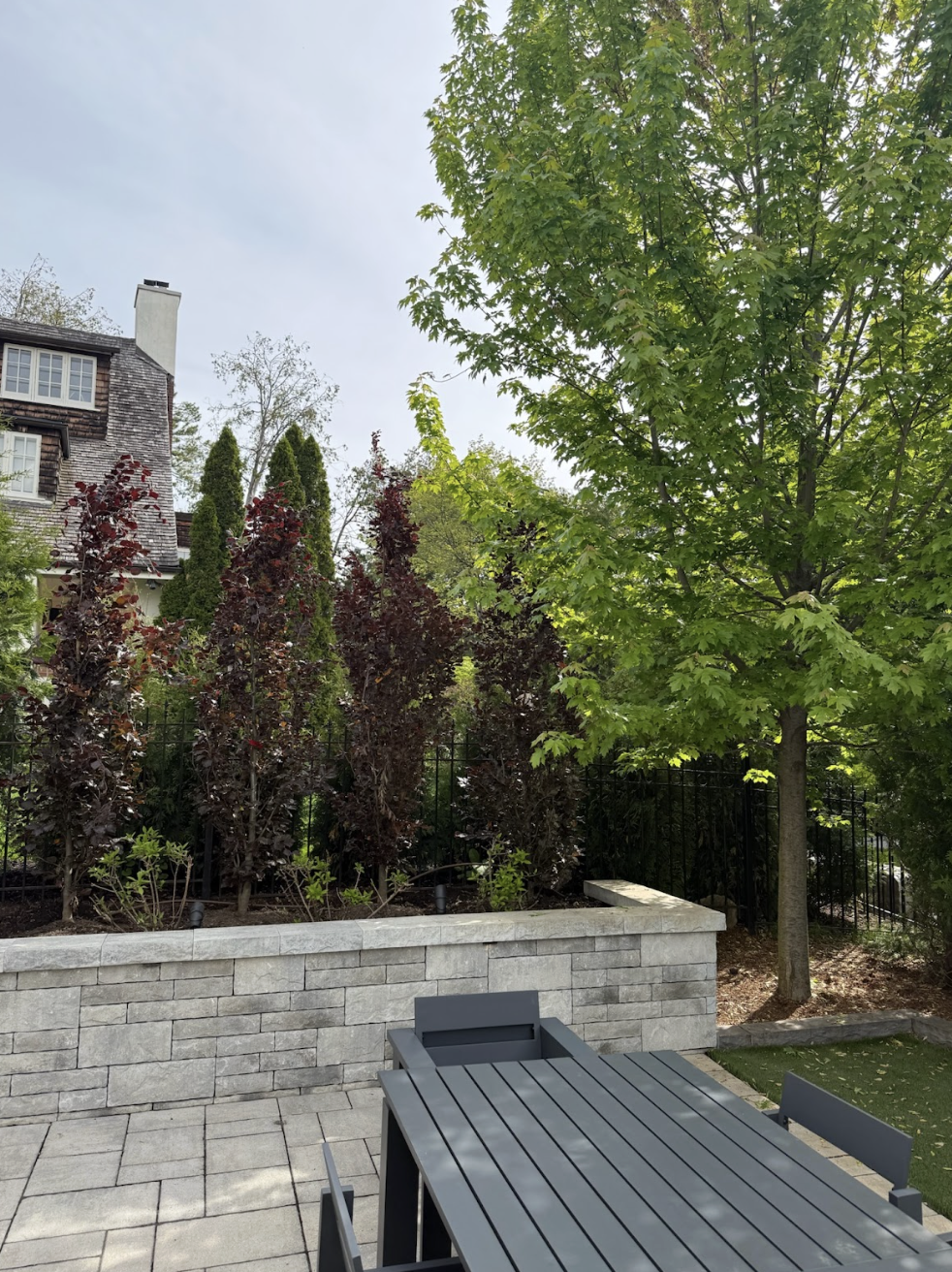
Project pictures


Get in touch
We’d love to hear from you. Choose the most convenient method and we’ll get back to you as soon as we can.
-
Phone Number
647-446-1346 -
Email Address:
contact@oaklylandscaping.com -
Office Hours:
Mon-Sat: 9am-6pm


