
How Can I Make My Yard Low-Maintenance?
A Practical Guide for Homeowners Planning Outdoor Projects
Services Offered:
Hiring a landscaping contractor is a significant decision. Whether you are planning a patio installation, backyard renovation, irrigation system, retaining wall, or full landscape transformation, the quality of the contractor you choose directly impacts the long-term performance of your property.
Landscaping projects involve more than appearance alone. Proper grading, drainage planning, base preparation, material selection, and installation techniques all play a major role in whether the project performs properly years after completion. Choosing the wrong contractor can lead to drainage problems, shifting hardscapes, poor plant growth, or expensive repairs down the road.
Before signing a contract, homeowners should ask clear and detailed questions about how the work will be completed. The answers often reveal how experienced the contractor is, how organized their process is, and whether they are focused on long-term quality or short-term installation speed.
Below are ten important questions every homeowner should ask before hiring a landscaping contractor.
One of the most important parts of any landscaping project is understanding exactly what is included in the proposal.
Landscaping projects often involve several moving parts including excavation, grading, planting, hardscaping, irrigation, lighting, cleanup, and waste removal. Without a clearly written scope of work, misunderstandings can happen regarding what is actually included in the quoted price.
Ask the contractor to provide a detailed written proposal outlining:
- Materials being used
- Excavation and preparation work
- Grading and drainage adjustments
- Installation methods
- Cleanup and disposal
- Estimated project timeline
A professional landscaping company should have no issue clearly explaining every stage of the project before work begins.
2. How Will Base Preparation Be Done?
Base preparation is one of the most critical components of any landscaping or hardscaping installation.
For patios, walkways, retaining walls, and interlocking surfaces, the structural base underneath the installation determines how the project performs long term. Improper preparation often leads to sinking, shifting, uneven surfaces, and drainage issues.
A knowledgeable contractor should clearly explain:
- Excavation depth
- Base material being used
- Compaction methods
- Drainage preparation beneath the surface
A properly installed base is what allows landscaping projects to withstand Ontario’s freeze-thaw climate over time.
3. How Will Drainage Be Handled?
Drainage is one of the most overlooked aspects of landscape construction, yet it is one of the most important.
Without proper drainage planning, water can pool around patios, foundations, garden beds, and walkways. Over time, this can cause erosion, structural movement, unhealthy plant growth, and long-term property damage.
A professional contractor should evaluate:
- Existing grading conditions
- Water flow patterns
- Low spots on the property
- Foundation drainage concerns
Possible drainage solutions may include:
- Landscape grading adjustments
- French drains
- Proper patio slope
- Catch basins or drainage systems
Any contractor who avoids discussing drainage early in the process may not be considering the long-term performance of the project.
4. Who Will Be Working on My Property?
It is important to understand who will actually complete the work on your property.
Some landscaping companies rely entirely on subcontractors, while others use dedicated in-house crews. Understanding who is responsible for installation helps create accountability and consistency throughout the project.
Questions homeowners should ask include:
- Are workers employees or subcontractors?
- Who supervises the project?
- Will the same crew remain throughout the installation?
- Who should homeowners communicate with during construction?
Clear communication and proper project management are essential for successful landscaping projects.
5. What Does Your Warranty Actually Cover?
A warranty often reflects how confident a contractor is in the quality of their work.
Many established landscaping companies offer warranties on workmanship, plant material, or structural installations such as patios and retaining walls. However, homeowners should understand exactly what is covered before the project begins.
Clarify details such as:
- Length of warranty coverage
- What materials or installations are covered
- Whether maintenance requirements impact warranty eligibility
- How warranty claims are handled
Understanding these details early prevents confusion later if problems arise after installation.
6. How Are Changes Handled During the Project?
Changes during landscaping projects are common.
Sometimes homeowners adjust design details midway through construction. In other cases, unexpected site conditions such as buried debris, poor drainage, or unstable soil may require modifications to the original plan.
Professional contractors typically manage these changes through written change orders outlining:
- The requested modification
- Additional costs or credits
- Timeline adjustments
- Material revisions
Having a structured change-management process keeps the project organized and helps avoid misunderstandings.
7. What Experience Does Your Crew Have?
Experience plays a major role in landscaping quality and long-term project performance.
Contractors with years of experience are often better equipped to handle:
- Drainage complications
- Soil conditions
- Grading corrections
- Material installation
- Plant selection
- Seasonal climate challenges
Homeowners should ask:
- How long has the company been operating?
- Have similar projects been completed before?
- Are references available?
- Can previous work be shown?
Experienced landscaping crews are more likely to deliver consistent results and identify potential issues before they become costly problems.
8. Do You Have the Right Equipment for My Project?
Many landscaping projects require specialized equipment to ensure efficient and professional installation.
Examples may include:
- Excavators for grading and site preparation
- Plate compactors for interlocking and hardscaping
- Trenchers for irrigation systems
- Skid steers for excavation and material movement
Proper equipment helps improve installation quality while reducing delays and inefficiencies during construction.
If equipment must be rented or subcontracted, homeowners should understand how that may affect scheduling and project coordination.
9. What Does Your Process Look Like From Start to Finish?
Professional landscaping companies usually follow a structured installation process designed to keep projects organized and efficient.
A typical landscaping process may include:
- Initial consultation and site walkthrough
- Design and planning phase
- Proposal and approval
- Material preparation and scheduling
- Excavation and installation
- Final walkthrough and completion
Understanding the process helps homeowners know what to expect during each stage of the project and improves communication throughout construction.
10. Can You Show Similar Projects You’ve Completed?
Past projects are one of the best ways to evaluate a contractor’s workmanship and experience.
Ask to see:
- Completed project photos
- Similar project types
- Client references
- Older installations that have aged over time
Looking at projects completed several years ago is especially valuable because it demonstrates how well the work has held up structurally and visually over time.
A professionally installed landscape should continue performing properly years after installation.
Why These Questions Matter Before Hiring a Landscaping Contractor
Landscaping projects involve far more than simply installing plants or laying stone. Proper landscaping requires planning, engineering, drainage management, grading, and construction methods designed for long-term performance.
By asking these ten questions before hiring a landscaping contractor, homeowners can better evaluate potential companies, understand how their project will be managed, and avoid costly installation mistakes.
A reputable landscaping company will welcome these questions and provide clear, transparent answers. Strong communication and professionalism at the beginning of a project are often the best indicators of a successful long-term result.
Whether you are planning a backyard renovation, interlocking patio, retaining wall, sod installation, or complete landscape transformation, taking the time to properly evaluate your contractor helps protect both your investment and your property long term.
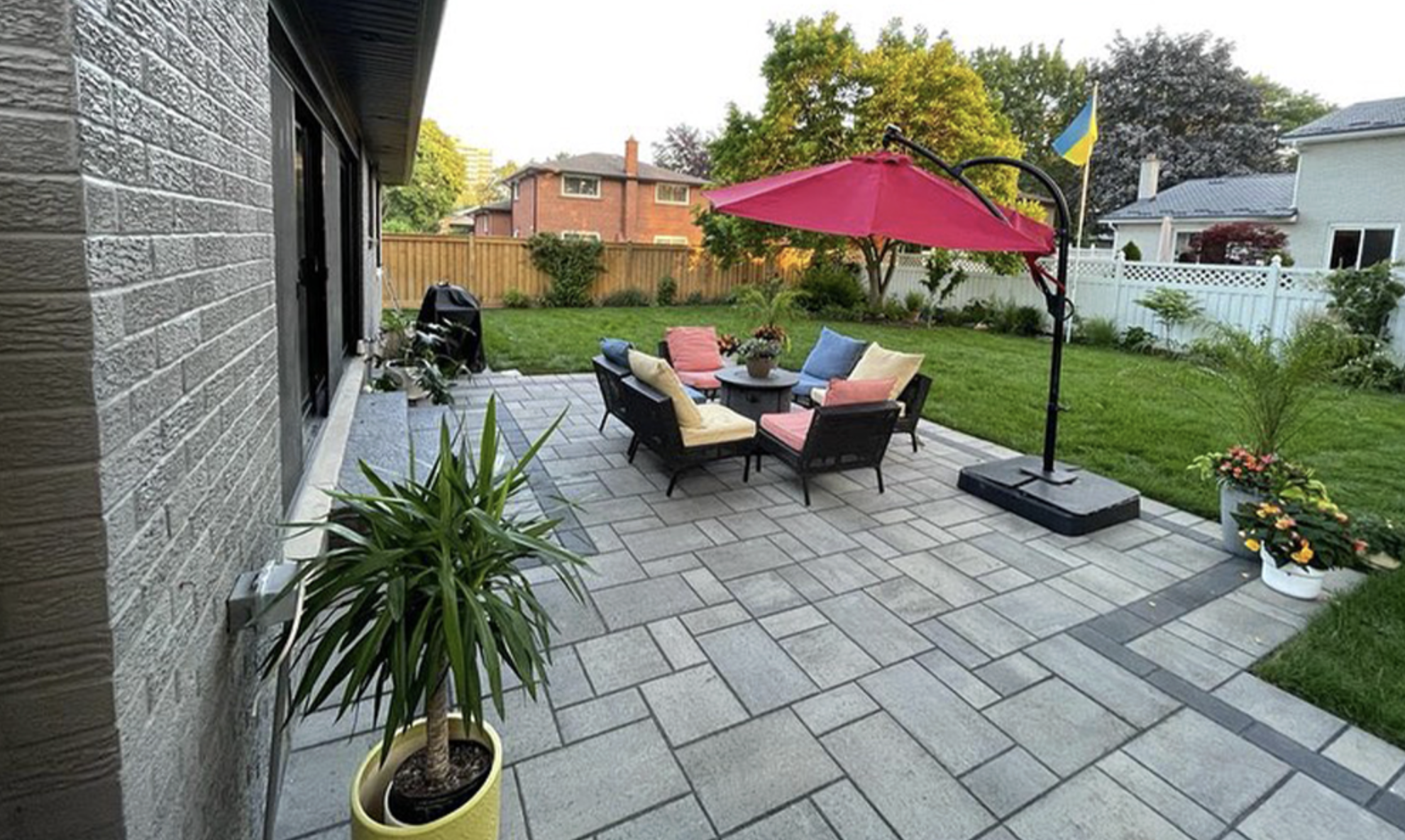
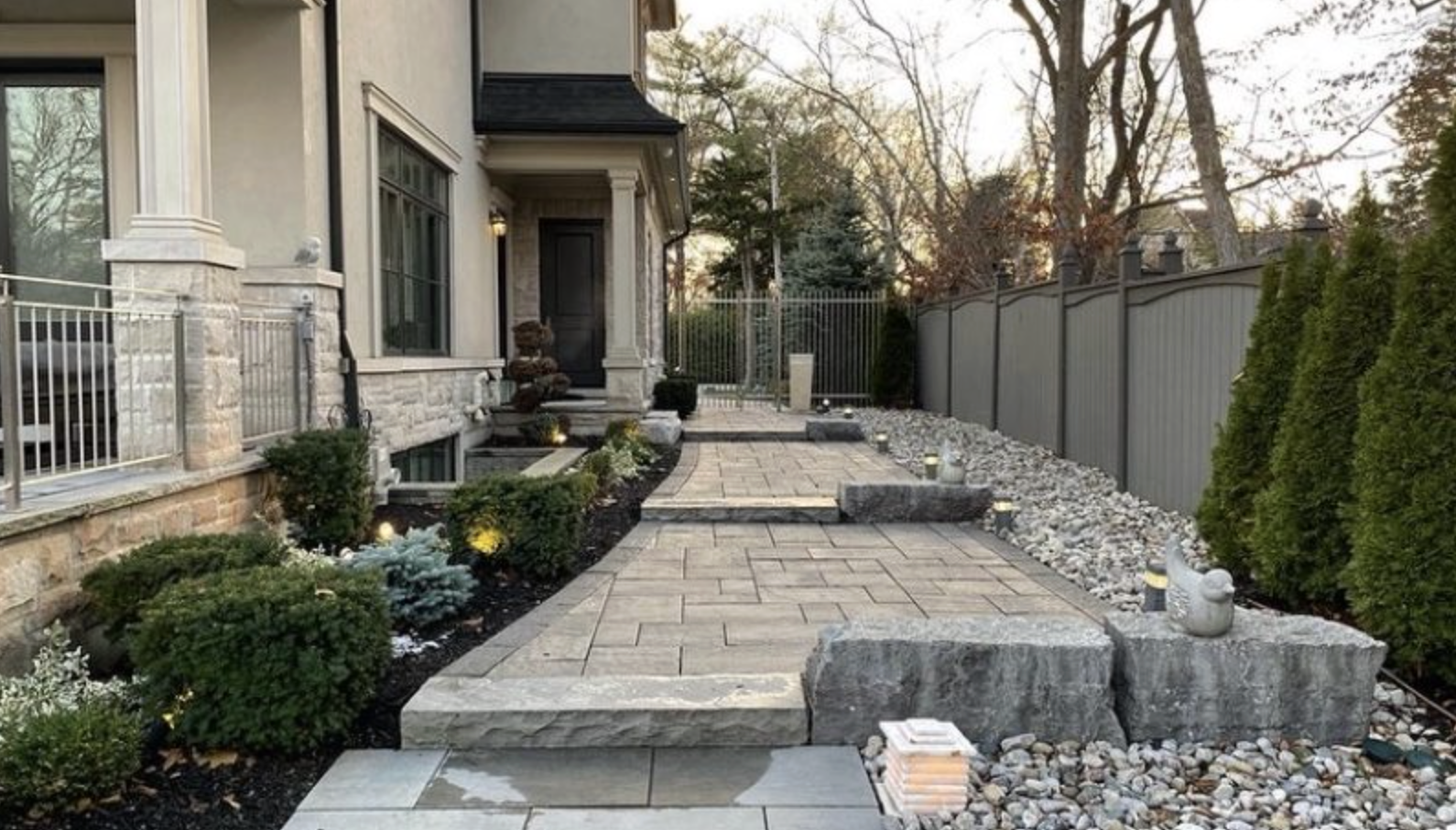
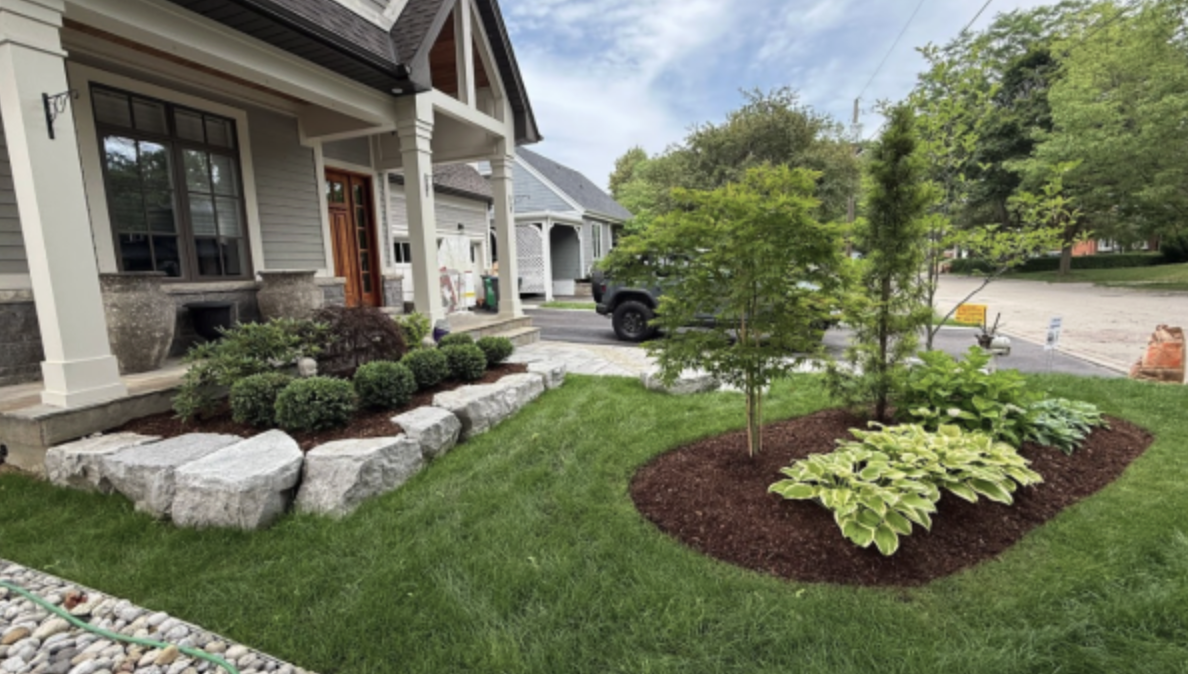
Project pictures
Get in touch
We’d love to hear from you. Choose the most convenient method and we’ll get back to you as soon as we can.
-
Phone Number
647-446-1346 -
Email Address:
contact@oaklylandscaping.com -
Office Hours:
Mon-Sat: 9am-6pm


