
The Complete Guide to Outdoor Kitchen Installation in the GTA: Design, Utilities, Materials & Long-Term Durability
Services Offered:

Google Review:

Outdoor kitchens are no longer just luxury features. They are fully functional outdoor living systems that combine construction, electrical planning, utility coordination, and weather-resistant design into one integrated space.
When installed correctly, an outdoor kitchen extends how you use your property. It creates a defined cooking, hosting, and gathering area that is built to withstand Ontario’s seasonal climate, heavy use, and long-term exposure to the elements.
However, many homeowners underestimate the complexity behind a properly built outdoor kitchen. It is not simply placing a grill on a patio. It is a structured installation that involves framework, appliances, ventilation, utilities, drainage, and material selection that must all work together.
At Oakly Landscaping, we approach outdoor kitchens as a construction-grade outdoor living feature, not just a decorative upgrade.
Over the years, we have helped homeowners across the GTA transform underused outdoor areas into structured, functional, and fully integrated outdoor kitchen spaces designed for real daily use.
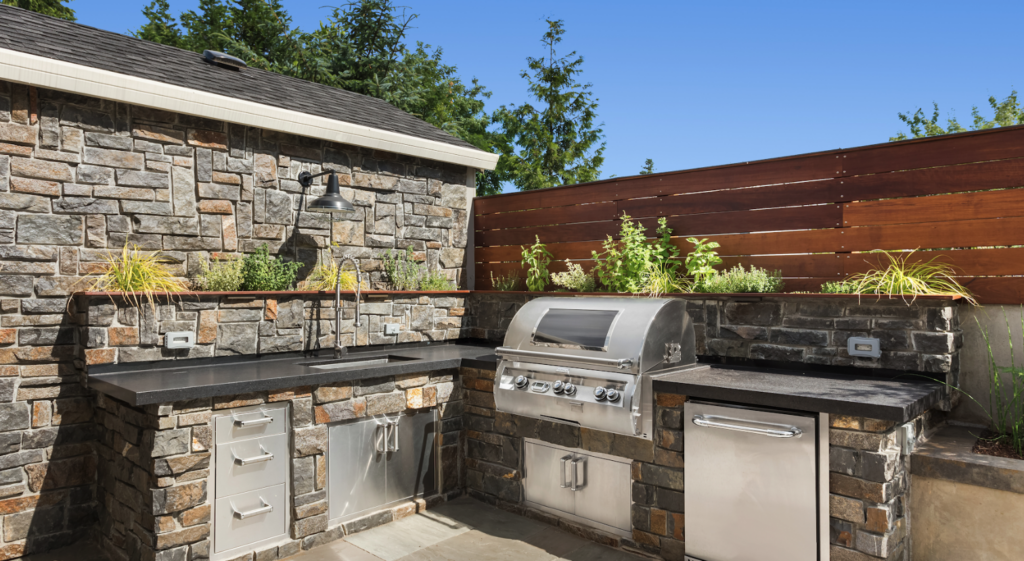
An outdoor kitchen is a built-in cooking and preparation space installed within your landscape, typically integrated into patios, decks, or backyard living zones.
A professionally installed outdoor kitchen may include:
- Built-in BBQ or grill systems
- Countertops and prep space
- Storage cabinets
- Electrical outlets and lighting
- Gas or propane connections
- Sinks and plumbing (optional)
- Seating and entertainment areas
Materials, framework, utilities, and weather resistance make up the majority of the installation complexity. In fact, materials alone can represent 60–80% of total project cost due to structural components, appliances, and utility integration.
This is why proper planning is critical before construction begins.
Why Outdoor Kitchens Are Increasingly Popular in Ontario Properties
Outdoor kitchens are not only about cooking. They are about maximizing how your outdoor space is used.
Homeowners typically invest in outdoor kitchens to:
- Extend usable time outdoors
- Host gatherings and family events
- Increase property functionality
- Create a structured entertainment area
- Improve property value and visual appeal
Instead of separating indoor and outdoor living, a well-designed outdoor kitchen connects both environments into one cohesive experience.
Our Outdoor Kitchen Installation Process (Step-by-Step)
This is where most contractors stay vague.
We do not.
Here is how a professional outdoor kitchen is actually planned and built.
1. Site Assessment & Layout Planning
Every installation starts with evaluating the property layout, existing patio, grading, and available utility access.
We analyze:
- Available space and flow
- Wind exposure and sun direction
- Proximity to the house (for utilities)
- Drainage and grading conditions
- Structural base requirements
Proper positioning is critical. Poor placement can lead to smoke issues, water pooling, or inefficient space usage.
This stage ensures the kitchen is functional, not just visually appealing.
2. Design & Appliance Integration Planning
Before any construction begins, the kitchen layout is engineered around real usage.
This includes planning:
- Grill placement and ventilation spacing
- Countertop workflow (prep, cook, serve)
- Storage access points
- Seating zones
- Lighting integration
Outdoor kitchens require appliance clearance, ventilation planning, and structural support for heavy components like grills and countertops.
Many appliances also have manufacturer venting and installation requirements that must be accounted for during design to ensure safe operation.
3. Structural Base & Framework Construction
This is one of the most important phases and the one most homeowners never see.
The outdoor kitchen structure is built using durable, weather-resistant framing and base preparation to support:
- Stone veneer
- Countertops
- Appliances
- Cabinet systems
The frame must be level and properly supported before finishing materials are applied. Cement board and structural sheathing are often installed over the frame before finishing layers to create a stable, long-lasting surface.
Without a proper base, outdoor kitchens shift, crack, or deteriorate over time.
4. Utility Coordination (Gas, Electrical & Plumbing)
Outdoor kitchens are functional systems, not just landscape features.
Depending on the design, installations may include:
- Gas line connections for grills
- Electrical outlets and lighting systems
- Waterproof GFCI protection
- Optional sink and plumbing lines
These components must be installed safely and up to code, often requiring licensed professionals for proper connections and long-term reliability.
This is where professional installation becomes critical for safety and performance.
5. Countertops, Finishing Materials & Appliance Installation
Once the structure and utilities are in place, the finishing phase begins.
This includes:
- Installing stone, porcelain, or concrete countertops
- Appliance fitting (grill, burners, fridge if applicable)
- Storage compartments and access doors
- Weather-resistant finishes
Material selection is not just aesthetic. Outdoor kitchens must withstand:
- Freeze-thaw cycles
- Moisture exposure
- UV sunlight
- Heavy usage
Using low-quality materials leads to early deterioration, especially in Ontario’s climate.
6. System Testing, Safety Checks & Final Walkthrough
Before completion, the entire system is tested to ensure optimal functionality.
We verify:
- Appliance operation
- Electrical safety and output
- Structural stability
- Drainage flow
- Fixture alignment and finishing quality
A properly installed outdoor kitchen should feel seamless, durable, and ready for long-term use without constant maintenance concerns.
Material Selection: What Makes an Outdoor Kitchen Last
Outdoor kitchens are exposed to harsher conditions than indoor spaces. That is why material choice directly impacts lifespan.
Common high-performance materials include:
- Natural stone and masonry finishes
- Weather-resistant cabinetry
- Stainless steel appliances
- Concrete or stone countertops
- Cement board structural backing
The framework, countertops, flooring, cabinetry, and appliances all contribute to durability and overall project cost.
Choosing the right materials prevents warping, rusting, and structural failure over time.
Common Mistakes Homeowners Make With Outdoor Kitchens
Many issues we see come from rushed or improperly planned installations.
The most common problems include:
- Poor drainage around the kitchen base
- Incorrect utility planning
- Cheap materials not suited for outdoor climates
- Lack of ventilation spacing for grills
- Weak structural framing
- No winterization planning
These mistakes lead to costly repairs within a few seasons.
Outdoor Kitchens for Front Yard vs Backyard Applications
Outdoor kitchens are not limited to backyards.
They can also be integrated into front yard entertainment spaces, side yards, or custom outdoor living zones.
The key difference is layout planning, visibility, and utility access.
Regardless of placement, the same structural standards, materials, and installation process apply.
Warranty, Durability & Long-Term Performance
A professionally installed outdoor kitchen should be built with longevity in mind.
Durability depends on:
- Proper base construction
- Weather-resistant materials
- Correct appliance installation
- Code-compliant utility work
- Seasonal maintenance planning
When built correctly, an outdoor kitchen becomes a permanent extension of your property, not a temporary upgrade.
Ready to Build a Functional Outdoor Kitchen That Actually Lasts?
Every property is different. Layout, utilities, grading, and usage goals all impact how an outdoor kitchen should be designed and installed.
If you are planning an outdoor kitchen for your front yard or backyard in the GTA, the first step is a proper assessment to determine structure, materials, and utility requirements.
Book a consultation with Oakly Landscaping and let’s design an outdoor kitchen that is built for performance, durability, and real everyday use — not just appearance.
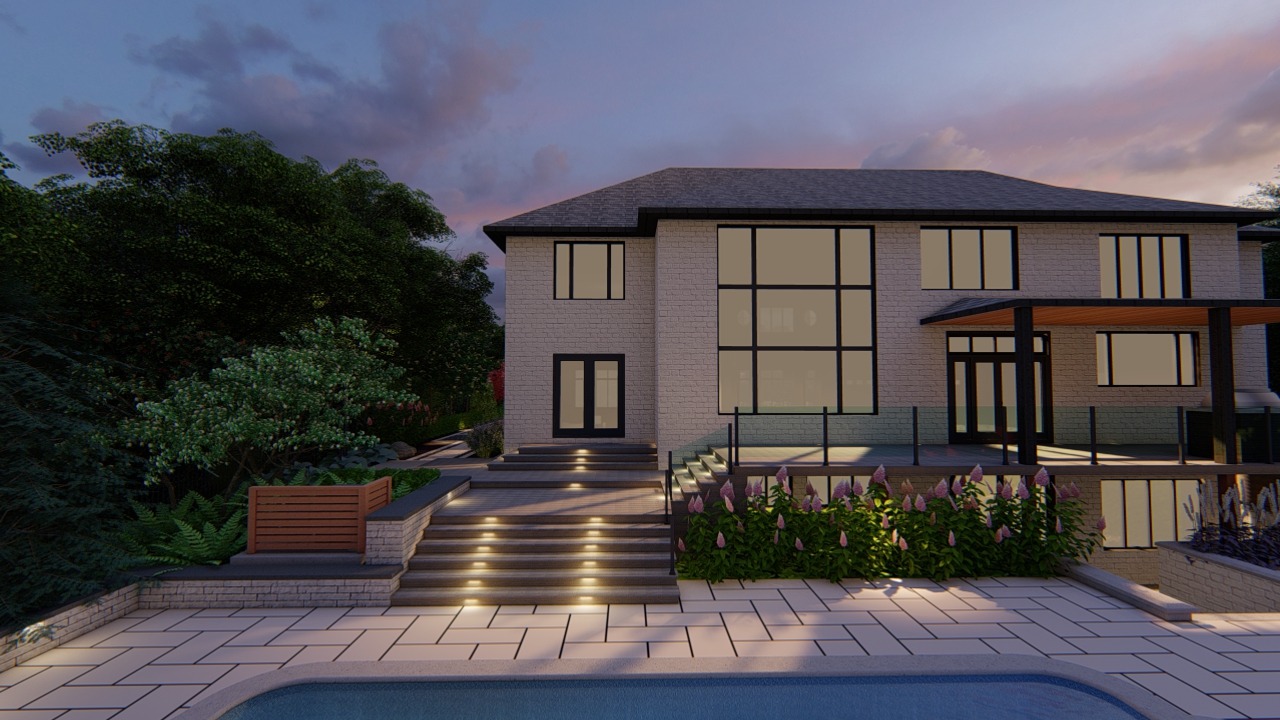
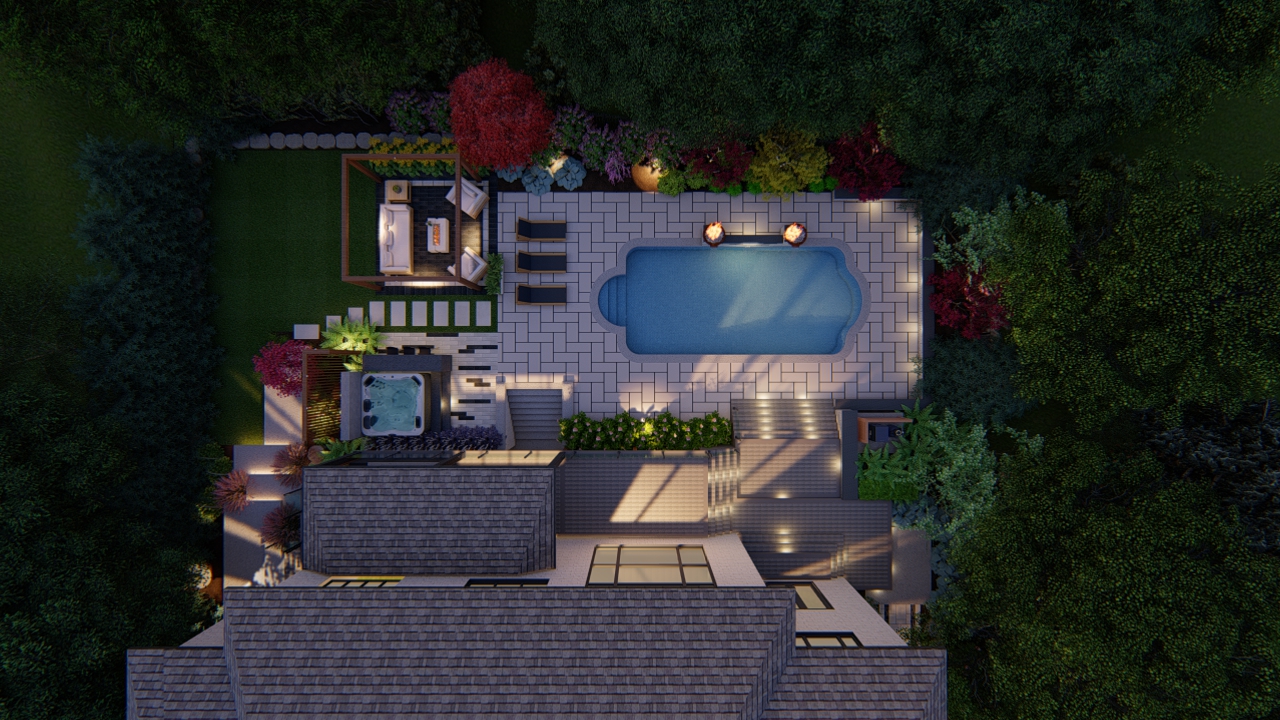
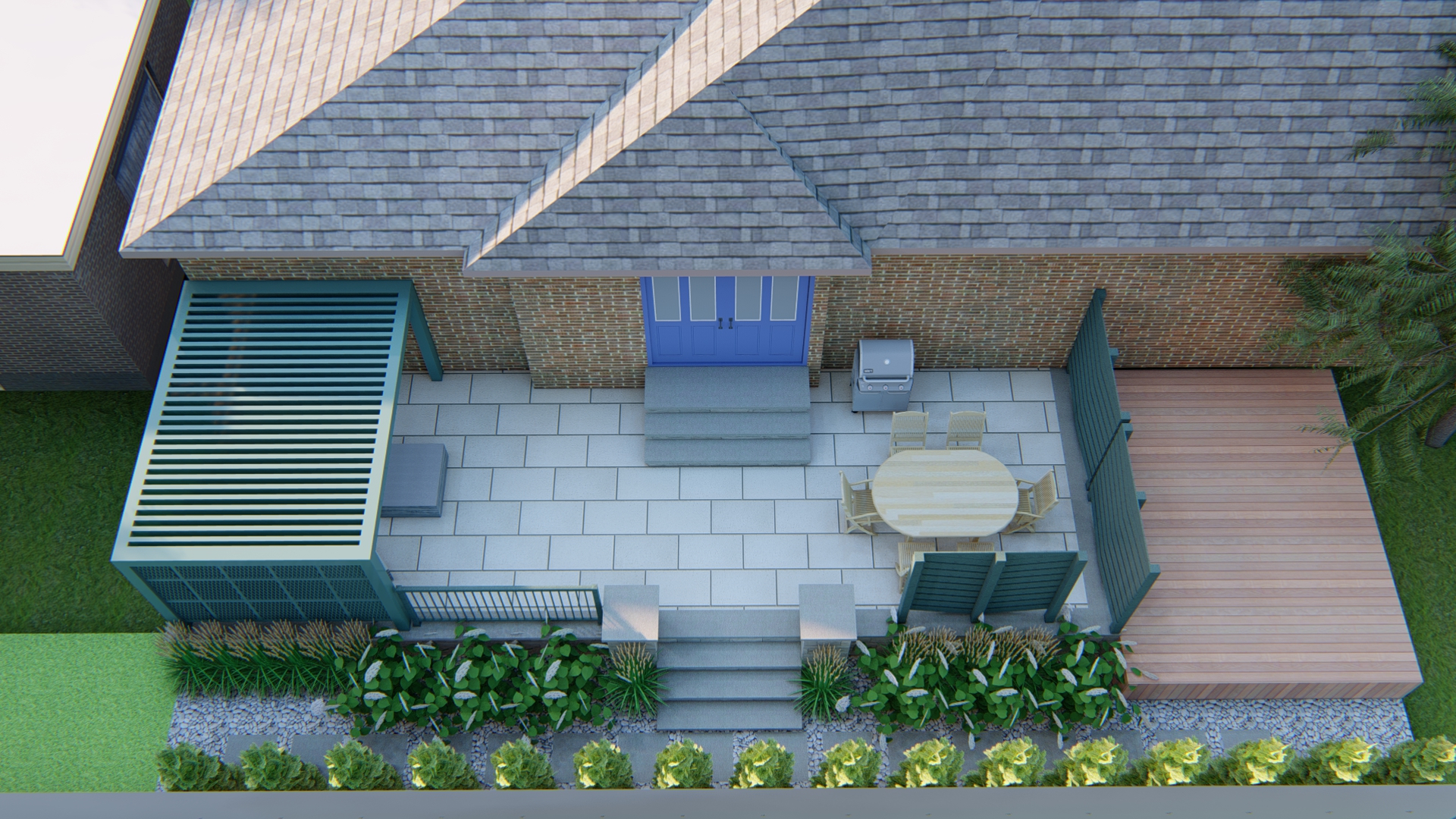
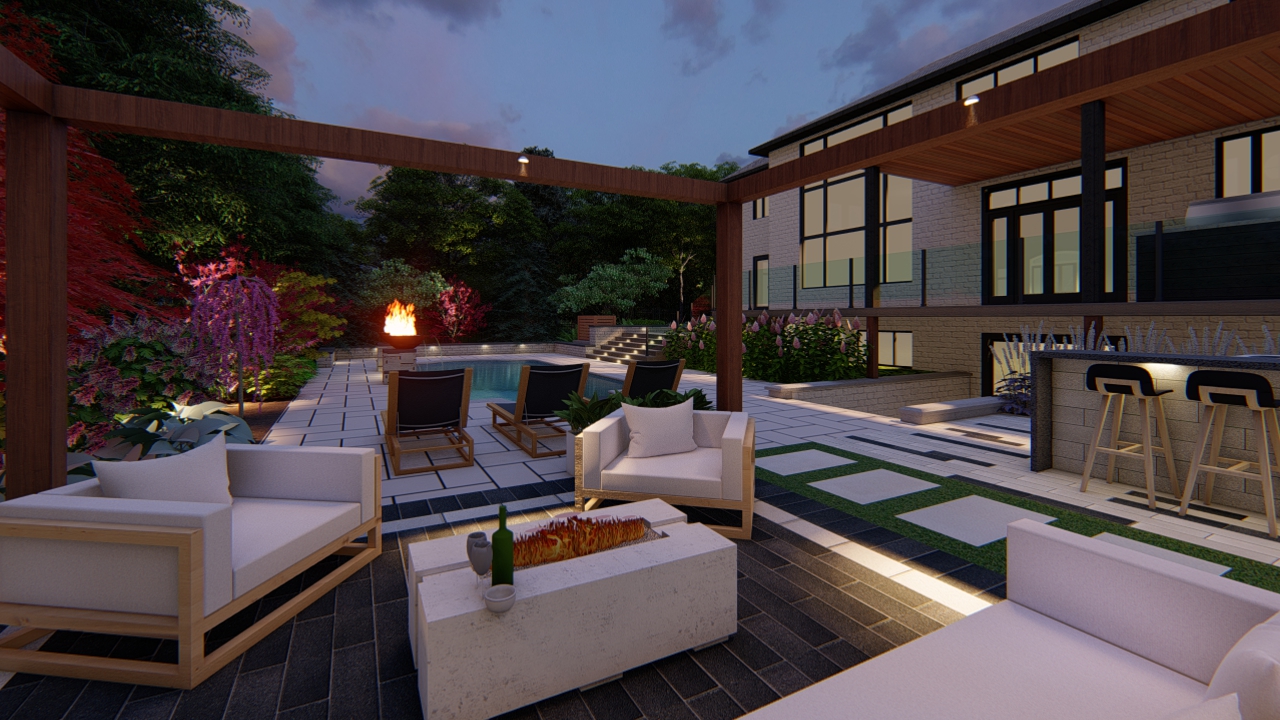
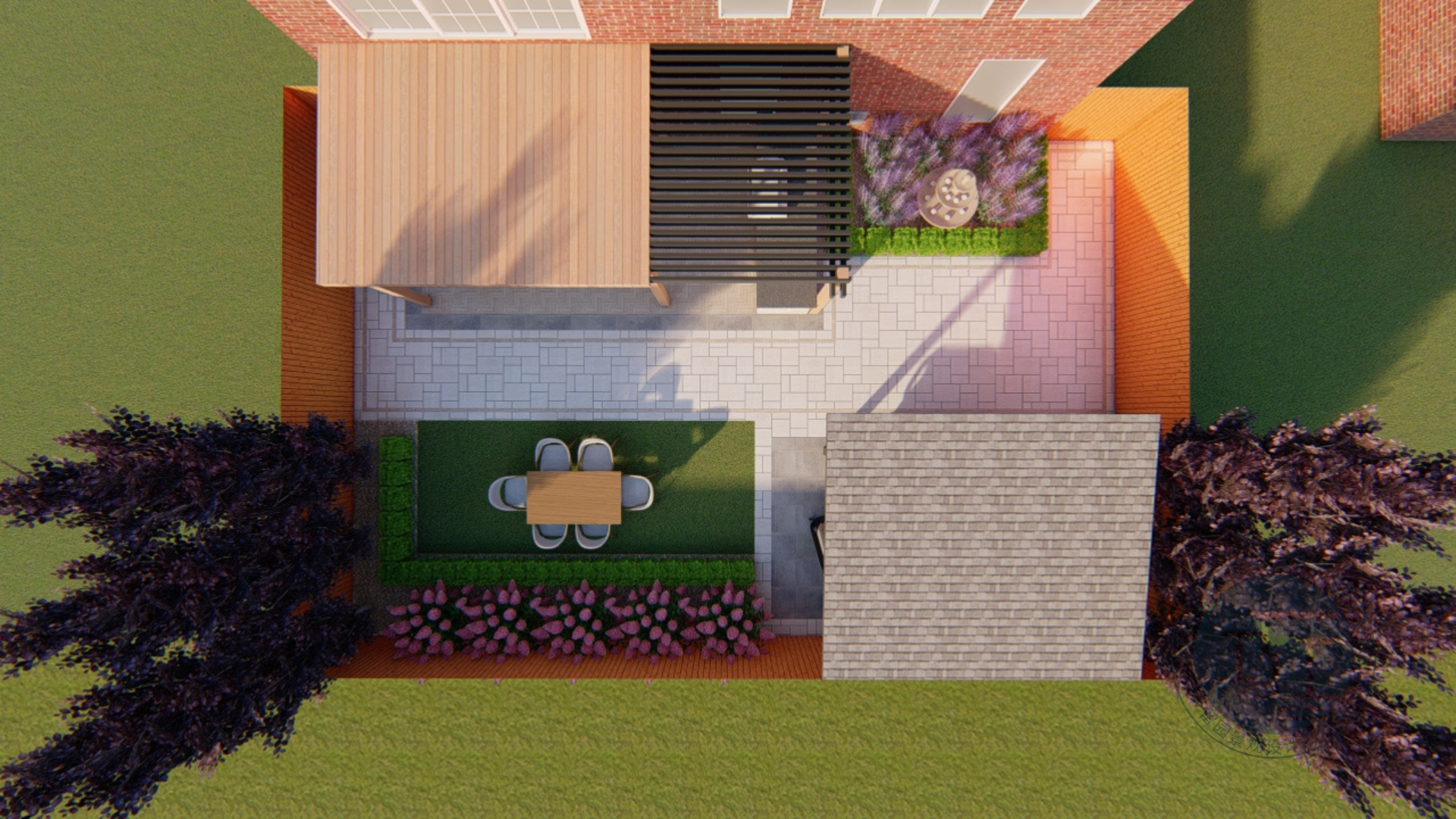
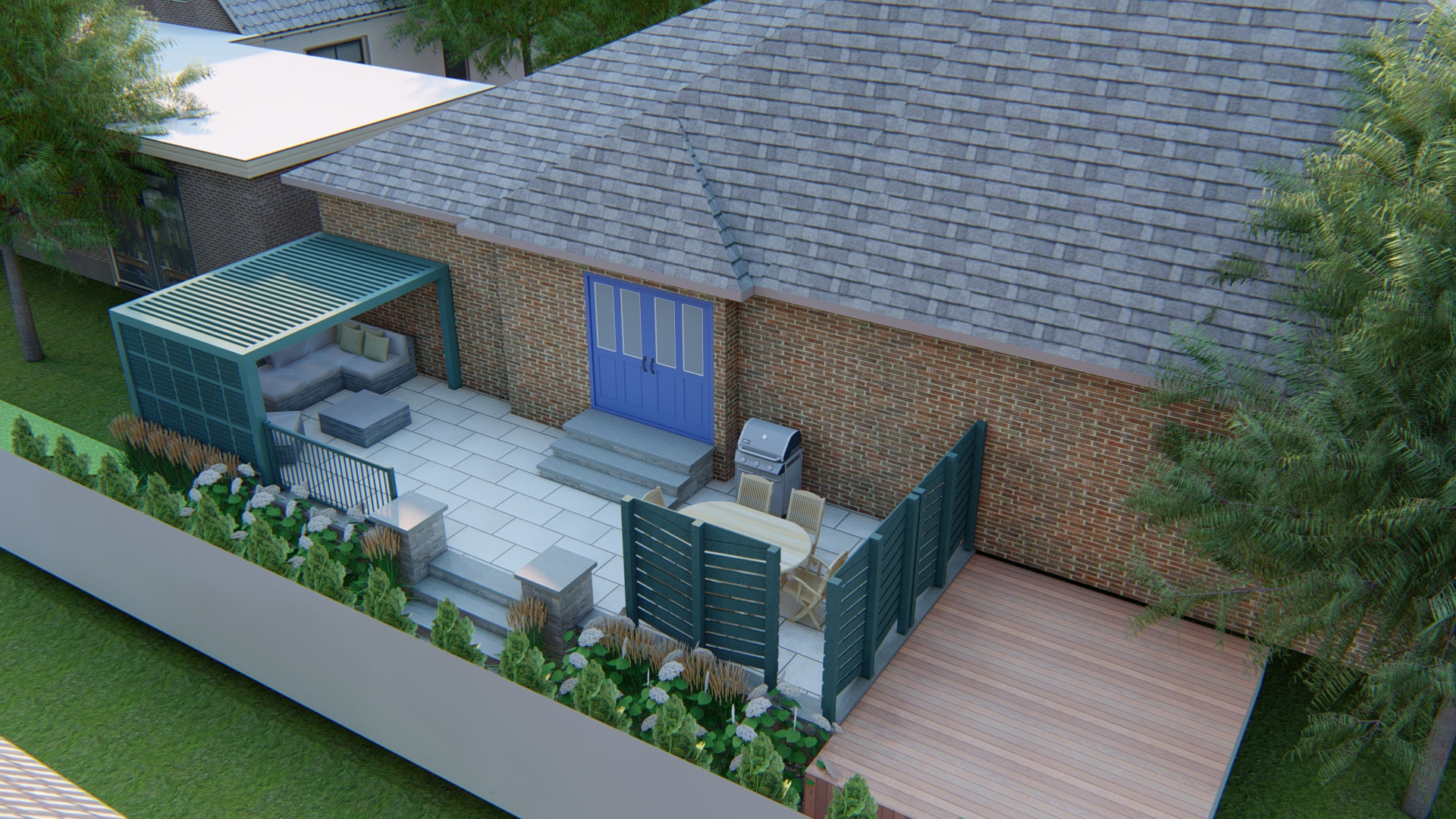
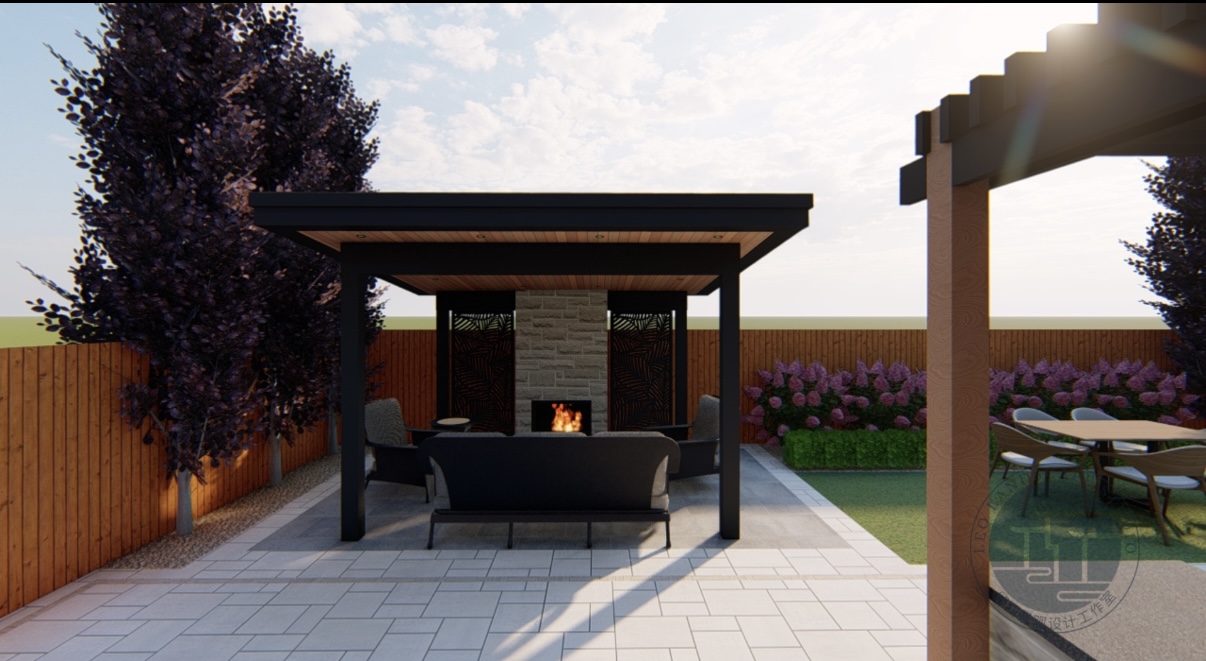
Project pictures
Get in touch
We’d love to hear from you. Choose the most convenient method and we’ll get back to you as soon as we can.
-
Phone Number
647-446-1346 -
Email Address:
contact@oaklylandscaping.com -
Office Hours:
Mon-Sat: 9am-6pm


